
Introduction
Cannabis edibles have exploded in popularity over the past decade. From homemade brownies to precisely dosed gummies, edibles offer a discreet, smoke-free way to enjoy cannabis. But edibles are not simply “smoke without the burner.” They behave differently in your body, take longer to kick in, and can deliver far stronger and longer-lasting effects than inhaled cannabis. This guide explains the science behind edibles, walks you through dosing and timing, outlines safety best practices, and offers practical tips for both curious beginners and experienced consumers who want more predictable results.
What Are Cannabis Edibles? A quick orientation
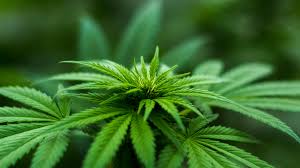
Edibles are food or drink products infused with cannabinoids — primarily THC and/or CBD. They come in many forms: baked goods, chocolates, candies, beverages, capsules, and even savory snacks. The active compounds are extracted from cannabis plant material (typically with solvents or fats) and then incorporated into recipes or commercial manufacturing processes. Unlike smoking or vaping, which deliver cannabinoids directly to the lungs and bloodstream, edibles are digested in the gastrointestinal tract and metabolized by the liver. That difference in route of administration is the key to understanding their unique effects.
Edibles can be made with full-spectrum cannabis extracts (containing a range of cannabinoids and terpenes), broad-spectrum extracts (cannabinoids and terpenes without THC), or isolated cannabinoids such as pure THC or CBD. This matters because the presence of other cannabinoids and terpenes may change the subjective experience through what researchers call the “entourage effect.” When you choose an edible, consider both the cannabinoid profile and the product’s potency per serving.
How the body processes edibles: digestion, liver metabolism, and 11-OH-THC
When you eat a cannabis-infused product, the cannabinoids travel through your digestive system to the liver. In the liver, THC (Δ9-tetrahydrocannabinol) is converted into a metabolite called 11-hydroxy-THC (11-OH-THC). This metabolite is especially important: it crosses the blood-brain barrier more readily and is often more psychoactive than THC itself. The result is that oral THC can feel more intense, and its effects can be qualitatively different from inhaled THC.
The timing and magnitude of these effects depend on many variables: what you ate with the edible (a fatty meal increases absorption), your metabolic rate, how much body fat you carry, your liver enzyme activity, and whether you have eaten recently. Because of this complex processing, the onset of effects is delayed (commonly 30–90 minutes, sometimes up to 2 hours), and the peak and overall duration are extended — often 6–12 hours or more for a full experience. Understanding this pharmacology helps explain why dosing edibles conservatively and patiently is so important.
Dosing edibles safely: start low and go slow
A central rule for edible consumption is: start low and go slow. For inexperienced users, beginning with 2.5–5 mg of THC is a conservative and sensible choice. Many commercial products now offer 2.5 mg microdoses, which are excellent for building tolerance gently. For users familiar with cannabis who want stronger effects, typical recreational servings range from 10–20 mg THC, but higher doses (50 mg and up) can produce overwhelming effects for many people and should be approached with caution.
Because edibles take a long time to produce noticeable effects, a common mistake is to take more too soon. Waiting at least two hours before increasing the dose is recommended — some people may need even longer for peak effects to appear. Keep in mind that tolerance plays a role: frequent users often require higher doses than occasional users. Also, CBD influences THC’s effects; when combined, it may modulate intensity and anxiety, but the interactions are complex and person-dependent.
What to expect: timeline and subjective effects
After taking an edible, the experience typically unfolds in phases. First, there’s a waiting period: little to no noticeable effect for 30–90 minutes. Then mild effects begin — relaxation, altered sensory perception, light euphoria. Over the next 1–3 hours you may reach peak intensity. Cognitive changes, altered time perception, giggliness, or sedation can appear depending on dose and your individual sensitivity. Physiological effects commonly include dry mouth, increased appetite, and red eyes.
The duration can be long: many users feel residual effects for 6–12 hours, and in some cases, subtle aftereffects may linger into the next day. Higher doses and inexperienced users are more likely to experience anxiety, paranoia, or uncomfortable body sensations. If that happens, remember that it will pass — hydrate, find a quiet comfortable place, and consider calming techniques like focused breathing. In severe cases, rest and sleep are the safest remedies.
Factors that change edible effects: food, metabolism, and tolerance
Several factors explain why the same edible dose affects people differently:
- What’s in your stomach: Edibles taken on an empty stomach absorb faster but can produce a more abrupt onset; foods high in fat increase absorption overall and can intensify effects. A meal with healthy fats (e.g., olive oil, avocado) before an edible will often make it stronger.
- Metabolism and liver function: People with faster metabolism or genetic differences in liver enzymes metabolize cannabinoids differently. Age and liver health also influence the conversion of THC to 11-OH-THC.
- Body composition: THC is lipophilic — it accumulates in fat tissue. Body composition can alter how cannabinoids distribute and how long they stay detectable.
- Concurrent medications and substances: Certain medications interact with liver enzymes and may change how cannabinoids are processed. Combining alcohol with edibles can also increase the subjective intensity and risk of adverse effects.
- Tolerance and prior exposure: Regular cannabis consumers typically need higher doses to achieve the same effects; newcomers are often more sensitive.
Because of these variables, observe your own responses carefully and record them. A simple consumption log noting dose, food, timing, and effects helps build personal dosing wisdom.
Homemade vs. commercial edibles: pros, cons, and predictability
Many people enjoy making edibles at home — it’s creative, cost-effective, and allows control over ingredients. However, homemade edibles can be highly variable in potency if you don’t accurately measure and evenly distribute the active extract. Infusing butter or oil is common practice, but without lab testing, it’s difficult to know the exact milligrams of THC per serving. For novices, that unpredictability is a real risk.
Commercial edibles, when produced by reputable manufacturers in regulated markets, typically offer precise dosing and clear labeling. They often undergo lab testing for potency and contaminants, providing greater predictability and safety. If you live where cannabis is legal and regulated, buying tested products can make dosing far easier. Always check the label for THC/CBD per serving, the number of servings per package, and any additional ingredients that might interact with you (like caffeine).
Pairing cannabinoids: THC, CBD, and the entourage effect
Edibles aren’t limited to THC alone. Many products combine THC with CBD, which some users find attenuates anxiety and offers a smoother experience. The “entourage effect” hypothesis suggests that the combination of multiple cannabinoids and terpenes produces different, sometimes more desirable effects than isolated compounds. While scientific evidence is still evolving, anecdotal and preliminary research supports the idea that CBD can modulate THC’s psychoactivity in certain contexts.
If you’re prone to anxiety or sensitive to THC, try a lower THC dose combined with CBD. Some products are CBD-dominant for users seeking relaxation or analgesia without strong intoxication. Ultimately, experimenting within safe dose limits will help you find the combination that works best for you.
Safety, storage, and legal considerations
Safety should be a priority. Keep edibles clearly labeled and stored out of reach of children and pets — their candy-like appearance makes them especially risky. Prefer child-resistant packaging and consider storing edibles in opaque containers to avoid accidental ingestion.
Legality varies dramatically by jurisdiction. In some places, edibles are legal and regulated; in others, they are not. Always comply with local laws governing purchase, possession, and consumption. If you’re traveling, be especially cautious: crossing state or international borders with cannabis products can have serious legal consequences.
Additionally, avoid driving or operating heavy machinery after consuming edibles. The impairment window can be long and unpredictable; plan ahead so you are in a safe environment where you can relax until the effects subside.
Coping with an intense edible high: practical strategies
If someone has taken too much and feels overwhelmed, there are several practical steps that can help:
- Stay calm and reassure: Anxiety can amplify distress. Reassure the person that the effects are temporary and will pass.
- Hydrate and snack lightly: Sipping water and eating bland carbohydrates may provide comfort. Avoid alcohol.
- Find a comfortable, familiar environment: A quiet, dimly lit room with soft music or nothing at all reduces sensory strain.
- Distract and ground: Simple grounding exercises — focusing on breath, feeling textures, or sipping tea — help anchor attention away from panic.
- CBD as an antidote (anecdotally): Some users report that CBD reduces THC-induced anxiety, though results vary and evidence is mixed.
- Sleep: Rest or sleep can be the fastest route to recovery for many people.
- Seek medical help if necessary: If someone’s breathing, heart rate, or behavior is dangerously abnormal, seek emergency medical care. Explain to responders that cannabis was consumed — they can provide supportive treatment.
Remember: severe, life-threatening reactions to cannabis are rare, but the subjective experience of panic or extreme discomfort can be profoundly unpleasant.
Making edibles more predictable: tips for home cooks
If you make edibles at home and want more consistent results, follow these tips:
- Know the potency of your starting material. Test results are ideal; if unavailable, estimate conservatively.
- Decarboxylate properly. Heat converts THC-A into psychoactive THC; insufficient or uneven decarboxylation lowers potency.
- Use a consistent infusion method. Infuse at controlled temperatures and strain plant material thoroughly for even dosing.
- Weigh and measure ingredients precisely. Use a scale and divide the final infused product into equal portions.
- Label servings clearly. Write the estimated milligrams per serving on each piece or container.
- Start with small batches. Test one portion before making large quantities, so you can adjust technique and dosing.
These steps reduce variability and make your edible experiences safer and more enjoyable.
Therapeutic uses and research directions
Edibles are not only recreational — they also have therapeutic applications. Orally ingested cannabinoids have been explored for chronic pain, nausea (especially chemotherapy-induced), appetite stimulation, spasticity in multiple sclerosis, and certain pediatric seizure disorders (primarily involving CBD). The duration of action offered by edibles can be advantageous for chronic symptoms that require extended relief.
Research continues to refine how edibles can be used medically: optimizing doses, understanding metabolite effects like 11-OH-THC, and clarifying drug–cannabinoid interactions. As with all medical use, patients should consult healthcare professionals before using cannabis-derived products, especially if they take other medications or have preexisting health conditions.
Responsible consumption: etiquette and harm reduction
Responsible edible use includes clear communication and harm reduction. If hosting or sharing, disclose that foods contain cannabis and mark them conspicuously. Offer non-infused alternatives and keep infused items separate. Consider consuming edibles in a social context where friends can look out for one another, but also respect others’ preferences and legal constraints.
Practice harm reduction by avoiding high doses in unfamiliar settings, using trusted suppliers, and never mixing cannabis with excessive alcohol or other intoxicants. If you’re new to edibles, schedule consumption when you don’t need to perform tasks that demand focus and coordination.
Also Read: Pre-Planting Soil Prep: Boost Germination Rates for Cannabis Seeds
Final Thoughts
Cannabis edibles are a powerful, convenient, and often enjoyable way to experience cannabinoids. Their distinct pharmacology — liver conversion to potent metabolites, delayed onset, and extended duration — means they demand a different approach than smoking or vaping. Respect the dose, allow time to feel the effects, and tune into your body and context. With patience and careful practice, edibles can be an excellent option for both recreational and therapeutic users, offering long-lasting effects and a smoke-free consumption method.
If you’re trying edibles for the first time, begin with a low dose (2.5–5 mg THC), wait at least two hours before considering more, and choose a safe, comfortable environment. Keep emergency contacts and basic coping strategies handy, and favor tested commercial products or carefully measured home preparations. Over time you’ll learn what works best for your body and lifestyle — and that’s the foundation of confident, informed cannabis consumption.