
Cannabis cultivators aiming for multiple harvests per year need to master the seed-to-harvest timeline. By understanding each growth stage, from germination to trimming, you can optimize conditions and scheduling for quicker, healthier yields. This guide breaks down the typical timeline, offers tips to accelerate growth without compromising quality, and helps you plan successive grow cycles for maximum productivity.
Why Tracking the Timeline Matters
A clear seed-to-harvest schedule helps you allocate resources, predict harvest dates, and manage labor efficiently. Fast turnaround cycles can boost overall yields, reduce the time plants occupy valuable grow space, and help you respond swiftly to market demand or personal supply needs.
Ensuring each batch finishes on time also prevents overlaps that strain lighting, ventilation, and nutrient budgets. When you know how long each stage lasts, you can stagger plantings—starting new seeds as others finish—so that your grow room remains in constant production.
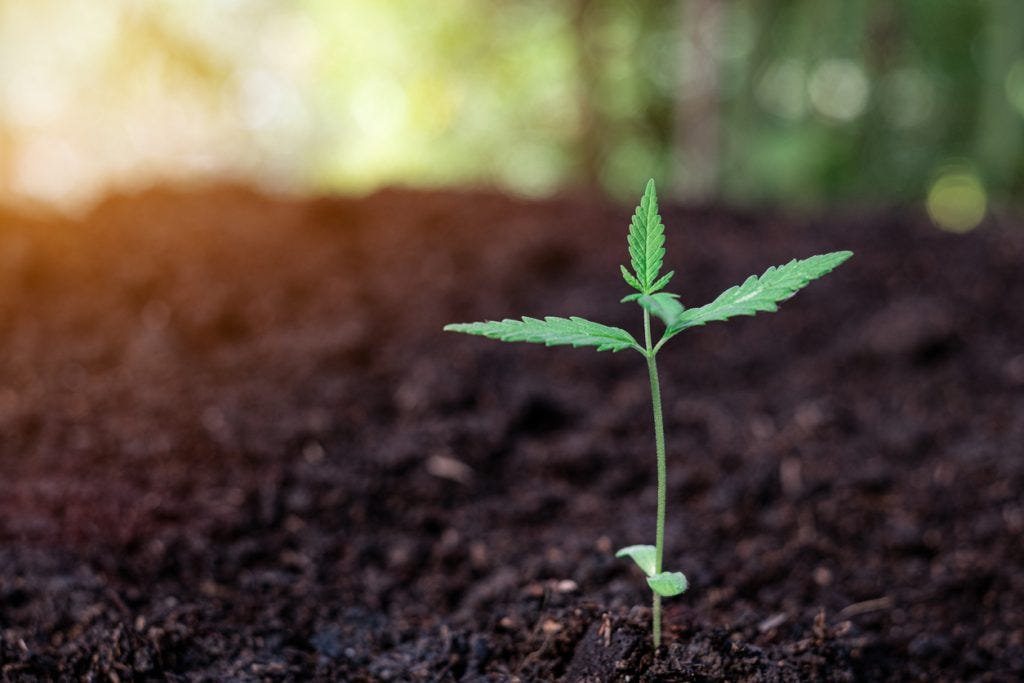
The Four Core Growth Stages
Cannabis development can be divided into four main stages: germination, vegetative growth, flowering, and harvest preparation. Each phase has its own environmental requirements and typical duration.
Germination (24–72 Hours)
Germination kicks off the process, where a dry seed absorbs water, cracks its shell, and sends out a taproot. Most growers use the paper towel or starter plug method to achieve rapid, uniform sprouting.
After seeds split open, carefully transfer seedlings to your chosen medium—soil, coco, or hydroponics—planting taproots downward about a quarter-inch deep. Keep humidity high (70–80%) and temperatures around 75°F to 80°F for best results. Proper germination sets the stage for robust root systems, which support faster growth later.
Vegetative Growth (2–6 Weeks)
Once seedlings develop two to three sets of true leaves, they enter the vegetative stage. Here plants focus on building branches, leaves, and root mass. Under an 18/6 or 24/0 light cycle, plants can double or triple in size during this phase.
Nutrient levels should emphasize nitrogen to fuel leafy growth, and daytime temperatures of 70–85°F with nighttime lows of 65–75°F encourage metabolic activity. Aim for relative humidity around 50–70%. By the end of vegetative growth, your plants’ canopy will fill out, determining the eventual yield per plant.
Flowering (6–10 Weeks)
Flowering begins when you switch lighting to a 12/12 cycle or allow natural photoperiod changes outdoors. The transition triggers bud formation, pistil development, and eventual trichome production.
Flowering time varies by strain: indica-dominant varieties often finish in six to eight weeks, while sativa-dominant strains may need eight to ten weeks or more. During this phase, shift nutrients toward phosphorus and potassium to support bud density. Lower humidity to 40–50% to prevent mold, and maintain temperatures between 65–80°F.
Harvest Preparation (1–2 Weeks)
The final stretch involves flushing, drying, and curing. Flushing with plain water for 7–14 days removes residual nutrients for a cleaner smoke and richer terpene profile. Watch trichomes under magnification—milky white with some amber indicates peak potency.
After cutting, hang branches upside down in a dark, well-ventilated room at 60–70°F and 45–55% humidity. Drying takes about 5–10 days. Trim buds and cure them in glass jars, opening jars daily for the first week to release moisture, then less frequently for up to six weeks. Proper curing preserves flavor, smoothness, and cannabinoid stability.
Strategies to Accelerate Turnaround
While each stage has a natural minimum duration, you can employ techniques to shave days or even weeks off your cycles without harming plant health.
Selecting Fast-Flowering Strains
Start with genetics bred for speed. Autoflowering varieties, which switch to bloom based on age rather than light cycle, can finish in as little as eight weeks from seed to harvest. Photoperiod feminized strains labeled “fast-flowering” typically require six to seven weeks of bloom.
Optimizing Light Intensity and Spectrum
High-intensity LEDs or full-spectrum HPS lights boost photosynthesis and reduce stretch. In vegetative growth, blue-rich light promotes compact, bushy plants. During flowering, red and far-red wavelengths enhance bud formation. Ensuring a precise light schedule—no interruptions—keeps plants on track.
Temperature and Humidity Control
Maintaining stable environmental conditions minimizes stress pauses. Use HVAC systems and dehumidifiers to keep temperatures and humidity within target ranges. Automated controllers and real-time sensors let you fine-tune microclimates, speeding metabolism and reducing risk of mold or pests.
Root Zone Enhancements
Healthy roots equal faster shoots. Techniques like mycorrhizal inoculants, beneficial bacteria, and aerated hydroponic systems support robust root growth. Transplant stress can slow development, so consider starting in larger containers or using air-pruning pots to prevent root bind and accelerate water and nutrient uptake.
Staggered and Continuous Harvest Planning
To maximize yield over a season, employ a perpetual or staggered cropping system.
Perpetual Harvest Model
Divide your grow area into zones with plants at different life stages. Every week or two, harvest mature plants and start new seeds or clones in the freed space. This approach ensures a constant supply of fresh buds without large downtimes.
Rotational Cloning
Root a batch of clones while your main crop flowers. Once flowering plants are cut, move clones directly into vegetative growth under the vegetative light cycle. This eliminates the germination stage and reduces overall turnaround.
Common Pitfalls and Solutions
Even experienced growers face obstacles that can delay harvests. Identifying and addressing them early keeps your timeline intact.
Nutrient or pH Imbalances
Over- or under-fertilization can stunt growth and extend vegetative or bloom durations. Regularly test runoff pH (aim for 5.8–6.2 in hydroponics, 6.2–6.8 in soil) and EC/PPM levels. Adjust nutrient strength to suit each stage, avoiding nutrient lockout or toxicity.
Pest and Disease Outbreaks
Pests like spider mites or diseases like powdery mildew can halt progress. Implement preventive IPM strategies—sticky traps, beneficial insects, and organic fungicides—and quarantine new plants. Swift detection and treatment protect your crop’s health and timeline.
Light Leaks and Photoperiod Interruptions
In flowering rooms, even brief light leaks can revert plants to vegetative growth, extending bloom stage by days or weeks. Seal doors, use blackout curtains, and monitor timers closely to prevent interruptions.
Read Also : A Beginner’s Guide to Choosing the Right Cannabis Seeds
Conclusion
Mastering seed-to-harvest timelines empowers you to achieve fast turnarounds without compromising quality. By understanding each growth stage, selecting quick-flowering genetics, optimizing environmental controls, and planning staggered harvests, you can fill your grow space with healthy, productive plants year-round. Attention to detail—pH balance, pest prevention, and precise lighting—ensures each cycle stays on schedule. With these strategies, you’ll maximize your yields and maintain a steady flow of fresh cannabis, whether for personal use or commercial production.