
Growing cannabis from seeds can be an exciting and rewarding experience. Whether you’re a beginner or an experienced grower, starting with seeds gives you full control over your crop’s genetics and growth process. However, it can also be challenging, especially for those who are new to the process. From choosing the wrong seeds to improper care during the growth stages, there are several common mistakes that can lead to disappointing results.
To ensure a successful cannabis cultivation experience, it’s crucial to avoid these common mistakes. In this blog post, we will go through some of the most frequent pitfalls that cannabis growers encounter when growing from seeds, and provide tips on how to avoid them.
Choosing the Wrong Seeds
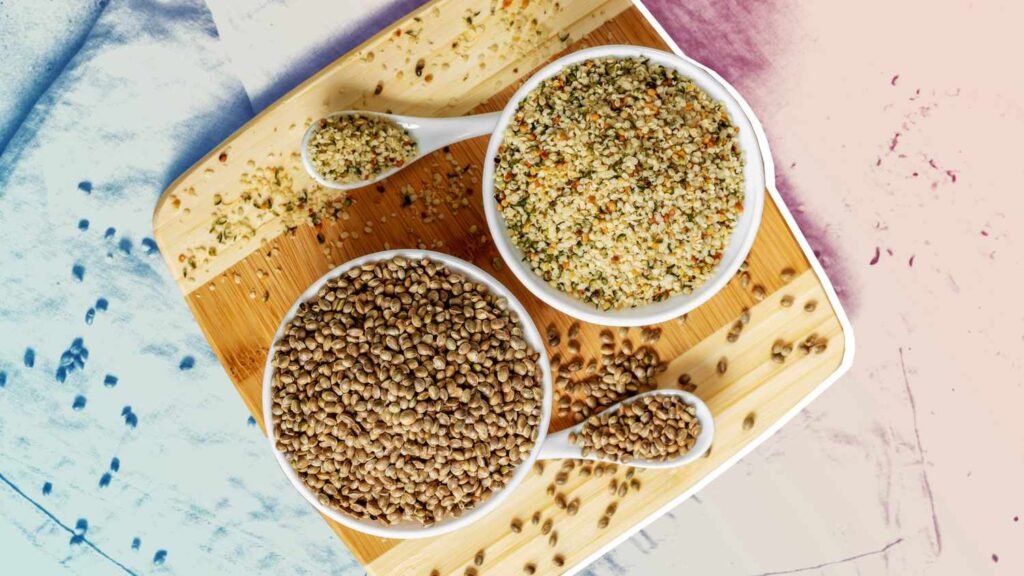
One of the most crucial steps when growing cannabis from seeds is selecting the right type of seeds for your growing conditions and desired outcome. There are several types of cannabis seeds to choose from, including feminized, autoflowering, and regular seeds. Choosing the wrong type can lead to a less-than-ideal harvest.
Mistake to Avoid:
- Selecting regular seeds without understanding their characteristics: Regular seeds have a 50/50 chance of producing male or female plants. If you’re not looking to breed your own plants, it’s better to go for feminized seeds to avoid the hassle of identifying and removing male plants.
- Not considering growth environment and strain type: Some strains require specific environmental conditions to thrive. Be sure to research the strains and choose the one best suited for your grow environment, whether it’s indoors or outdoors.
Tip:
When purchasing cannabis seeds, make sure to choose a reputable source and understand the strain’s growth requirements. This will help ensure a successful crop from the start.
Not Germinating Seeds Properly
Germination is a critical step in cannabis cultivation. If you don’t follow the proper germination process, you risk ending up with non-viable seeds that fail to sprout. Improper germination can lead to wasted time, money, and resources.
Mistake to Avoid:
- Overwatering or underwatering during germination: Excessive moisture or dryness can damage the delicate seeds. It’s important to maintain the right balance for the seed to sprout.
- Using the wrong environment: Cannabis seeds need warmth and humidity to germinate properly. Too much light or a lack of warmth can stunt or even stop germination.
Tip:
The ideal way to germinate cannabis seeds is by using the paper towel method. Moisten a paper towel and place the seed between the folds. Keep it in a warm place, but avoid direct sunlight. After 24-48 hours, the seed should sprout a taproot, and you can then transfer it into soil.
Overwatering or Underwatering
Watering is essential for cannabis growth, but it’s easy to either overdo it or neglect it altogether. Overwatering can lead to root rot and nutrient deficiencies, while underwatering can cause your plants to wilt and stunt their growth.
Mistake to Avoid:
- Watering too frequently: Many new growers water their cannabis plants too often, which can deprive the roots of oxygen and cause the plant to suffocate.
- Not allowing the soil to dry out enough: Cannabis plants need time for the soil to dry out between waterings. If the soil stays too wet, the roots will become oxygen-deprived, leading to root rot.
Tip:
Always ensure that the top inch of soil is dry before watering again. This encourages deep root growth. Additionally, use pots with good drainage to avoid waterlogging.
Poor Soil Quality
The quality of the soil in which your cannabis plants grow is crucial for their overall health. Nutrient-rich soil provides the necessary minerals for your plants, but poor soil can lead to stunted growth and nutrient deficiencies.
Mistake to Avoid:
- Using generic or low-quality soil: Not all soils are created equal, and cannabis plants need a specific mix of nutrients. Using soil with poor drainage or lacking in essential nutrients can hinder plant growth.
Tip:
Invest in high-quality cannabis-specific soil or make your own mix by combining peat moss, perlite, and compost. A balanced pH level (around 6.0 to 7.0) is also important for optimal nutrient absorption.
Improper Lighting Conditions
Cannabis plants, especially during their vegetative and flowering stages, need adequate light to thrive. Light helps your plants carry out photosynthesis, the process by which they produce energy.
Mistake to Avoid:
- Inadequate or too much light: Too little light can stunt plant growth, while too much can cause heat stress and damage the leaves. New growers sometimes make the mistake of using household lights or not providing enough light for indoor grows.
Tip:
If growing indoors, use high-quality grow lights (LED or HPS) and keep the lights on for about 18 hours per day during the vegetative stage. During flowering, reduce the light cycle to 12 hours of light and 12 hours of darkness to trigger blooming.
Not Managing Temperature and Humidity Properly
Cannabis plants are highly sensitive to temperature and humidity levels. Keeping these in check is essential for healthy growth. Too high or too low temperatures can stress plants, while improper humidity can lead to mold or mildew.
Mistake to Avoid:
- Ignoring temperature and humidity: Some beginners fail to monitor the temperature and humidity in their grow space. This can lead to issues like heat stress, damping off, or mold growth.
Tip:
Cannabis plants thrive in temperatures between 65°F to 80°F (18°C to 27°C). During the flowering stage, humidity should be kept around 40-50%, and in the vegetative stage, 60-70% humidity is ideal.
Lack of Nutrient Management
Cannabis plants require a specific balance of nutrients, including nitrogen, phosphorus, and potassium, as well as secondary nutrients like calcium, magnesium, and sulfur. A lack of proper nutrients can lead to nutrient deficiencies and poor plant health.
Mistake to Avoid:
- Overfeeding or underfeeding: While it’s important to provide nutrients, overfeeding can lead to nutrient burn, while underfeeding may cause stunted growth. Beginners may struggle to find the right balance.
Tip:
Follow a nutrient schedule appropriate for the plant’s growth stage. Use fertilizers designed specifically for cannabis plants, and always follow the manufacturer’s recommendations for dosage. Observe your plants for any signs of nutrient deficiencies or excesses.
Not Pruning or Training Plants Properly
Pruning and training cannabis plants is essential to ensuring healthy growth and maximizing yields. Failure to prune or train your plants can lead to overcrowding, poor airflow, and reduced bud production.
Mistake to Avoid:
- Not pruning: Overgrown plants without proper pruning can block light from reaching the lower branches, resulting in smaller buds and reduced yield.
- Improper training: Training techniques like topping and low-stress training (LST) help control plant shape and improve light distribution, which increases yield.
Tip:
Start pruning your plants by removing dead leaves and branches that are blocking light. Use training techniques like LST to create an even canopy, allowing all parts of the plant to receive sufficient light.
Not Monitoring for Pests and Diseases
Pests and diseases are inevitable in any garden, and cannabis plants are no exception. Failing to monitor your plants for pests can lead to infestations that can damage your crop and reduce its quality.
Mistake to Avoid:
- Ignoring pest management: Some growers overlook pest control until it’s too late, leading to significant damage or even crop loss.
Tip:
Regularly inspect your plants for signs of pests like spider mites, aphids, or whiteflies. Use natural pest control methods such as neem oil or introduce beneficial insects like ladybugs to keep pests at bay.
Not Being Patient
Patience is key when growing cannabis from seeds. Many beginner growers become impatient and make hasty decisions, like harvesting too early or changing their growing methods unnecessarily. This can lead to underdeveloped plants and poor-quality buds.
Mistake to Avoid:
- Harvesting too early: Harvesting your cannabis before it reaches its full potential can lead to lower potency and reduced yield.
Tip:
Allow your plants to reach full maturity before harvesting. Use a magnifying glass to check the trichomes (tiny resin glands on the buds) to determine when they are at their peak potency. Harvesting when the trichomes are cloudy but not amber will ensure the highest THC levels.
Read Also : Why You Should Be Growing Cannabis from Seeds Instead of Clones
Conclusion
Growing cannabis from seeds can be a highly rewarding experience, but it’s essential to avoid common mistakes that can hinder the process. By taking the time to choose the right seeds, providing proper care, and being patient, you can ensure a successful and fruitful harvest. Keep an eye on your plants, learn from each grow, and soon enough, you’ll be enjoying high-quality cannabis right from your own garden.
Happy growing!