
When it comes to growing cannabis, one of the most important decisions you’ll make is choosing between autoflowering and photoperiod cannabis seeds. Both types of seeds have distinct characteristics that can significantly affect your growing experience, yields, and the overall outcome of your cultivation efforts. Understanding the key differences between autoflowering and photoperiod cannabis seeds will help you make an informed decision about which type is right for you.
In this blog post, we’ll explore the key differences, advantages, and disadvantages of both autoflowering and photoperiod cannabis seeds to help you choose the right one for your cultivation needs.
What Are Autoflowering Cannabis Seeds?
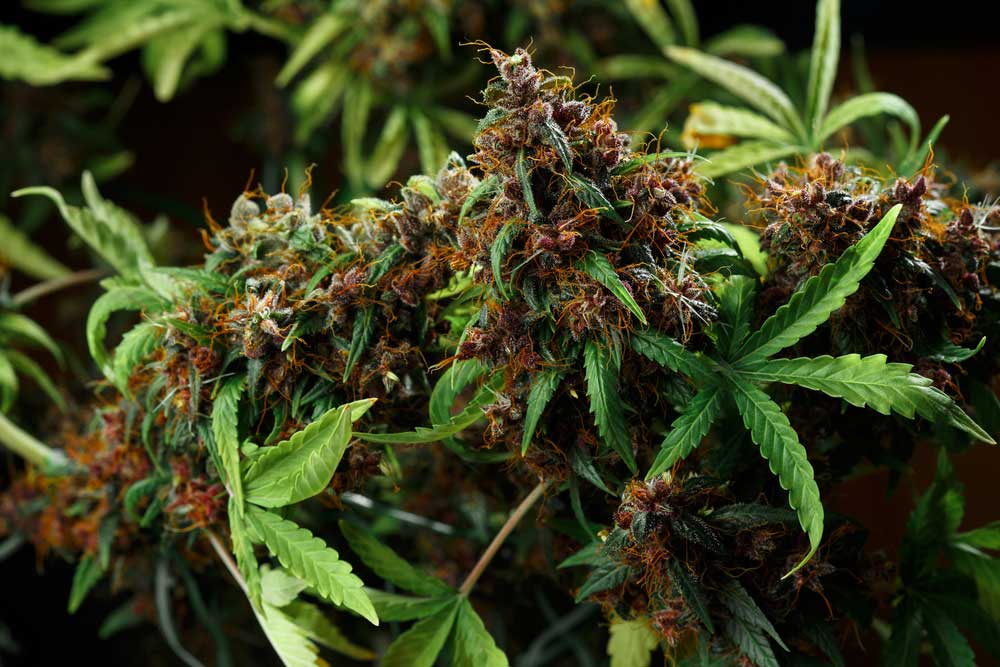
Autoflowering cannabis seeds are specially bred to automatically switch from the vegetative stage to the flowering stage without any change in the light cycle. Unlike photoperiod cannabis, which requires a specific light schedule to trigger flowering, autoflowering strains flower based on age, not light exposure.
Autoflowering cannabis seeds are typically hybrids of Cannabis ruderalis, a species of cannabis that is native to regions with harsh growing conditions. Cannabis ruderalis naturally flowers on its own, regardless of light exposure, and this trait has been passed on to modern autoflowering strains.
What Are Photoperiod Cannabis Seeds?
Photoperiod cannabis seeds, on the other hand, rely on a specific light cycle to trigger the flowering phase. Typically, photoperiod cannabis plants are grown with 18-24 hours of light during the vegetative stage and are then switched to 12 hours of light and 12 hours of darkness to induce flowering.
Photoperiod cannabis seeds can be either indica, sativa, or hybrid varieties, and they have been bred for a wide range of growing conditions. Since they rely on light schedules to flower, photoperiod cannabis plants are more suitable for growers who have control over their light environment.
Key Differences Between Autoflowering and Photoperiod Cannabis Seeds
a. Growth Cycle
- Autoflowering: These plants flower automatically after a set period (usually 8-12 weeks), regardless of light cycle. They are ideal for growers looking for a fast turnaround and multiple harvests in a year.
- Photoperiod: These plants need a specific light cycle (12/12) to trigger flowering. The entire growth cycle, from seed to harvest, usually takes longer, ranging from 12 to 20 weeks depending on the strain.
b. Size and Yield
- Autoflowering: Autoflowering cannabis plants tend to be smaller, usually between 12-24 inches tall, making them ideal for small spaces or stealth growing. However, their smaller size typically results in a lower yield compared to photoperiod plants.
- Photoperiod: Photoperiod cannabis plants are generally larger and more robust, often growing between 3-6 feet tall. They have the potential for larger yields, especially if grown in the right conditions.
c. Light Requirements
- Autoflowering: Autoflowering cannabis plants do not require a specific light schedule. They will flower automatically regardless of the light cycle, making them easier to manage and perfect for beginners.
- Photoperiod: Photoperiod cannabis plants need a consistent light cycle to trigger flowering, typically requiring 12 hours of darkness and 12 hours of light for the best results.
d. Harvest Time
- Autoflowering: Autoflowering cannabis plants are generally ready to harvest faster than photoperiod plants, often in as little as 8-12 weeks from germination.
- Photoperiod: Photoperiod plants take longer to reach full maturity, typically requiring 12-20 weeks from seed to harvest.
4. Advantages of Autoflowering Cannabis Seeds
a. Faster Growth Cycle
One of the biggest advantages of autoflowering cannabis seeds is their rapid growth cycle. From seed to harvest, you can expect a shorter cultivation period, often yielding multiple harvests per year. This is ideal for growers who want to maximize their harvests in a limited time frame.
b. No Need for Light Cycle Control
Autoflowering plants don’t require a specific light cycle to flower. This makes them easier to manage, especially for beginner growers or those who grow cannabis in less controlled environments. Whether you’re growing indoors or outdoors, you won’t need to worry about adjusting the light cycle as the plant matures.
c. Smaller Size
Autoflowering plants are typically smaller in stature, which is a huge benefit if you’re growing in small spaces or need a discreet grow setup. These plants are well-suited for micro-growing and small-scale indoor cultivation.
d. Stealth and Discreet
Because of their compact size and quick growth cycle, autoflowering cannabis plants are more discreet, making them an excellent choice for those who want to grow without attracting attention.
5. Advantages of Photoperiod Cannabis Seeds
a. Larger Yields
Photoperiod cannabis plants generally produce larger yields compared to autoflowers. If you have the space, time, and resources to dedicate to your grow, photoperiod plants can give you a bigger harvest.
b. Greater Control Over the Growth Cycle
With photoperiod cannabis, growers have more control over the plant’s growth and flowering phases. You can manipulate the light cycle to control when the plant switches from vegetative growth to flowering, allowing you to optimize growth conditions.
c. Variety of Strains
Photoperiod cannabis offers a wider variety of strains, including popular indicas, sativas, and hybrids. If you’re looking for specific cannabinoid profiles or unique flavors, you’ll likely find more options with photoperiod seeds.
d. Better Quality Buds
Photoperiod plants generally produce higher-quality buds compared to autoflowering plants. The longer growth period allows the plant to develop more complex flavors and aromas, making it an excellent choice for connoisseurs and those seeking premium cannabis.
Which is Right for You: Autoflowering or Photoperiod?
a. For Beginners
If you’re new to growing cannabis, autoflowering seeds are a great option. They’re easy to grow, require minimal light cycle management, and mature quickly. Autoflowers are forgiving and can help you build confidence as you learn the ins and outs of cannabis cultivation.
b. For Experienced Growers
Experienced growers who want to maximize their yield, control every stage of growth, and have space for larger plants may prefer photoperiod cannabis. The ability to manipulate the light cycle and the larger yields make photoperiod plants a better choice for serious cultivation projects.
c. For Small Spaces
If you’re growing in a small space, such as a small grow tent or closet, autoflowering cannabis seeds are a better fit due to their smaller size and quicker growth. They also allow for multiple harvests per year, which can be an advantage if you’re limited on space.
d. For Outdoor Growers
Outdoor growers may prefer photoperiod plants because they typically grow larger and can take advantage of the natural sunlight. However, if you live in a region with a short growing season, autoflowering plants might be a better option as they mature quickly and are more adaptable to varying environmental conditions.
Read Also : The Role of Cannabis in Holistic Health and Wellness Practices
Final Thoughts
Both autoflowering and photoperiod cannabis seeds have their benefits, and the choice ultimately depends on your growing goals, available space, and experience level. Autoflowers are an excellent choice for beginners or those looking for fast, discreet harvests. On the other hand, photoperiod cannabis offers larger yields, greater control over the growth process, and higher-quality buds, making them the ideal choice for experienced growers and those with more time and resources to devote to their plants.
Regardless of which type of cannabis seeds you choose, it’s important to start with high-quality seeds from a reputable seed bank to ensure your success. Happy growing!