
Cannabis breeding and hybridization involve carefully selecting and crossing different cannabis plants to create new strains with specific characteristics. This science allows breeders to produce seeds that express unique combinations of traits, such as high THC content, desirable terpene profiles, or improved resistance to pests and diseases. With cannabis becoming more widely accepted for both medical and recreational use, the interest in breeding and hybridization has grown, driving advances in plant genetics and enabling the creation of strains tailored to specific preferences and needs. This article explores the science behind cannabis seed breeding, the methods used, and the process of creating hybrids, as well as the key considerations that breeders keep in mind when developing new cannabis strains.
Understanding Cannabis Genetics
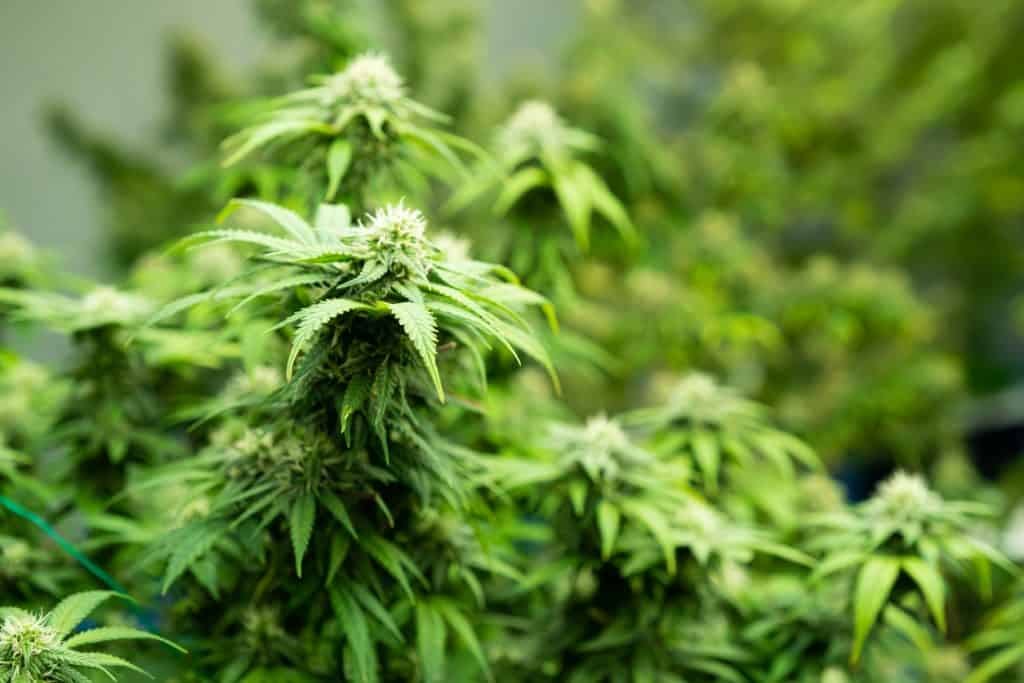
Cannabis plants are genetically complex and contain thousands of genes that determine their physical and chemical traits. Each cannabis plant has two sets of chromosomes—one set inherited from the male parent and one from the female. These chromosomes contain the DNA that encodes the genetic information, or genotype, of the plant. Cannabis breeding focuses on selecting and combining certain genotypes to create offspring with specific traits.
There are three main types of cannabis plants: Cannabis sativa, Cannabis indica, and Cannabis ruderalis. Each type has its unique characteristics. For example, sativas are known for their uplifting effects and tall growth, indicas are prized for their relaxing effects and compact size, and ruderalis plants are auto-flowering, meaning they flower based on age rather than light cycles. By hybridizing these different types, breeders can create strains that blend these qualities to achieve the desired growth patterns, potency, and effects.
The Goals of Cannabis Breeding
Breeders aim to achieve specific goals through hybridization. Some common breeding objectives include:
- Increased Potency: Higher THC or CBD levels are often desired, especially for medical use, as these cannabinoids offer therapeutic benefits.
- Enhanced Flavor and Aroma: Terpenes, the compounds responsible for cannabis’s distinctive aromas, also have effects on the user. By selectively breeding for terpenes, breeders create strains with unique flavors, scents, and enhanced effects.
- Optimized Growth Characteristics: Certain growth traits, such as height, flowering time, and resistance to environmental stress, are targeted to make plants easier to cultivate in specific conditions, such as indoor or outdoor growing.
- Pest and Disease Resistance: Breeding for pest and disease resistance helps reduce the need for pesticides and makes plants hardier and less susceptible to common issues like mold and mildew.
- Auto-Flowering or Fast-Flowering Traits: By incorporating ruderalis genetics, breeders create auto-flowering plants that don’t rely on light cycles to flower, making cultivation easier in certain conditions.
The Basics of Hybridization
Hybridization involves crossing two genetically distinct parent plants to produce offspring, or hybrids, that inherit traits from both parents. The hybrid offspring can either be a stable cross with predictable traits or a variety with a range of possible outcomes, depending on the consistency of the parents’ genetics.
- F1 Hybrids: When two genetically distinct plants are crossed, their offspring is referred to as the F1 generation. F1 hybrids typically display a mixture of traits from both parent plants, often showing “hybrid vigor,” where the offspring grow more vigorously or yield more than their parents. F1 hybrids are generally less stable, and their seeds may produce a range of phenotypes.
- F2 and Successive Generations: F2 generation plants are produced by crossing two F1 plants. In this stage, traits become more variable, allowing breeders to see a broader range of genetic combinations. Selective breeding through successive generations can stabilize desired traits, eventually producing strains that consistently express specific characteristics.
- Backcrossing: Backcrossing (BX) involves crossing a hybrid plant with one of its original parents. This technique is used to reinforce specific traits from the parent plant, such as a particular flavor or cannabinoid profile. Backcrossing helps stabilize traits, making them more predictable in subsequent generations.
The Process of Breeding Cannabis Seeds
Breeding cannabis seeds involves several steps, each requiring careful planning, observation, and selection:
- Selection of Parent Plants: The first step is choosing parent plants with desirable traits. The male plant contributes pollen, which fertilizes the female plant’s flowers, resulting in seeds. Breeders look for plants with strong genetic profiles, such as high cannabinoid levels, robust growth, and resilience to pests and diseases.
- Pollination: To create hybrids, the breeder collects pollen from a male plant and applies it to a female plant’s flowers. This process can be done manually to ensure only selected plants are crossed. Once pollinated, the female plant produces seeds that contain a genetic combination of both parents.
- Germination and Evaluation of Offspring: Once seeds are harvested and dried, they are germinated, and the resulting plants are grown to maturity. The offspring plants are evaluated for their traits, such as cannabinoid levels, aroma, flowering time, and resistance to environmental factors.
- Selection and Stabilization: Breeders choose the best-performing plants from the offspring generation for further breeding or backcrossing. Successive generations of breeding help stabilize traits, making them more consistent in future generations.
- Phenotype Selection: As plants grow, they exhibit different phenotypes, or physical expressions, based on their genetics and environment. Breeders observe and select phenotypes that best represent the desired traits, discarding plants that don’t meet their criteria. This selection process is repeated across generations to achieve uniformity.
The Role of Terpenes and Cannabinoids in Breeding
Two primary groups of compounds in cannabis—terpenes and cannabinoids—are major targets in breeding due to their influence on flavor, aroma, and effects:
- Cannabinoids: THC and CBD are the most well-known cannabinoids, but others like CBG, CBC, and THCV are also gaining interest for their unique effects. Breeders work to enhance or balance cannabinoid profiles to create strains with specific effects, such as uplifting, relaxing, or therapeutic properties.
- Terpenes: Terpenes give cannabis its distinctive smell and taste, and they also play a role in modulating the effects of cannabinoids. For instance, myrcene is associated with relaxing effects, while limonene is more energizing. By breeding for terpene profiles, breeders can enhance the sensory experience and tailor strains to specific uses, such as stress relief or focus.
Challenges and Ethical Considerations in Cannabis Breeding
Cannabis breeding presents challenges, particularly in maintaining genetic stability and managing the risk of inbreeding depression, which can weaken plants over time. Moreover, the cannabis industry’s rapid growth raises ethical considerations around biodiversity and intellectual property.
- Maintaining Genetic Diversity: Excessive focus on high-THC or other specific traits can lead to a narrowing of the genetic pool, reducing the overall biodiversity of cannabis. Genetic diversity is essential for resilience against pests, diseases, and environmental changes.
- Intellectual Property: With the rise of commercial cannabis breeding, some companies patent specific strains or genetic techniques, potentially limiting access to genetic resources. This can restrict smaller breeders and impact the diversity of available strains.
- Environmental Impact: Cannabis breeding and cultivation have environmental impacts, such as water usage and energy consumption for indoor grows. Sustainable breeding practices and strain selection for local conditions can help reduce these impacts.
The Future of Cannabis Breeding: Genetic Technologies
Advancements in genetic technology are revolutionizing cannabis breeding. New techniques, such as marker-assisted selection and CRISPR gene editing, offer breeders more precision in selecting desirable traits and even creating novel cannabinoids.
- Marker-Assisted Selection (MAS): MAS uses molecular markers linked to specific traits, allowing breeders to identify plants with desired genetic characteristics early in the growth process. This accelerates breeding programs by helping breeders select optimal plants without waiting for full maturation.
- CRISPR and Gene Editing: CRISPR technology enables precise modifications to a plant’s DNA, potentially allowing breeders to enhance specific traits, such as increasing cannabinoid production or improving pest resistance. While still in the experimental stage for cannabis, gene editing holds promise for the future of cannabis breeding.
- Cannabinoid Biosynthesis: Research into cannabinoid biosynthesis pathways is enabling breeders to understand and manipulate how cannabis plants produce cannabinoids. By targeting these pathways, breeders may be able to increase the yield of rare cannabinoids, opening new possibilities for therapeutic strains.
Read Also : Top Cannabis Seed Strains for High THC Content in 2024
Conclusion
Cannabis breeding and hybridization have come a long way, evolving from traditional techniques to modern genetic technologies. The science of breeding allows growers to create strains tailored to specific effects, flavors, and growing conditions, offering a diverse range of cannabis products for consumers. From selecting the ideal parent plants to navigating ethical considerations and harnessing cutting-edge technologies, cannabis breeding is a dynamic field that continues to shape the future of the cannabis industry. For both amateur breeders and commercial operations, understanding the principles of genetics and hybridization is essential for developing strains that meet the growing demand for high-quality, purpose-driven cannabis.